
A key to the map by Anika Campbell
Compiled and written by Greta Hawes
As MANTO seeks to show, ancient storytellers had few difficulties with the idea that their myths had taken place all around them.
This meant that the storyworld of myth was the distant past of the Mediterranean, and that ordinary, everyday landscapes once held monsters.
It also meant that strange natural phenomena could be explained through those ancient stories: volcanoes rumbled where giants were buried alive; dangerous straits recalled Scylla and Charybdis; trees dripping resin seemed to have weeping women trapped within them. Quite often these kinds of stories were associated with new places the Greeks encountered as they travelled further afield. This is the push-and-pull of thinking about places as being alive with myth. Myths give meaning to the landscape, and the landscape casts the stories in new lights.
Anika’s map offers a geography of many different ancient Greek monsters. Here is some background to why each was located where it was.
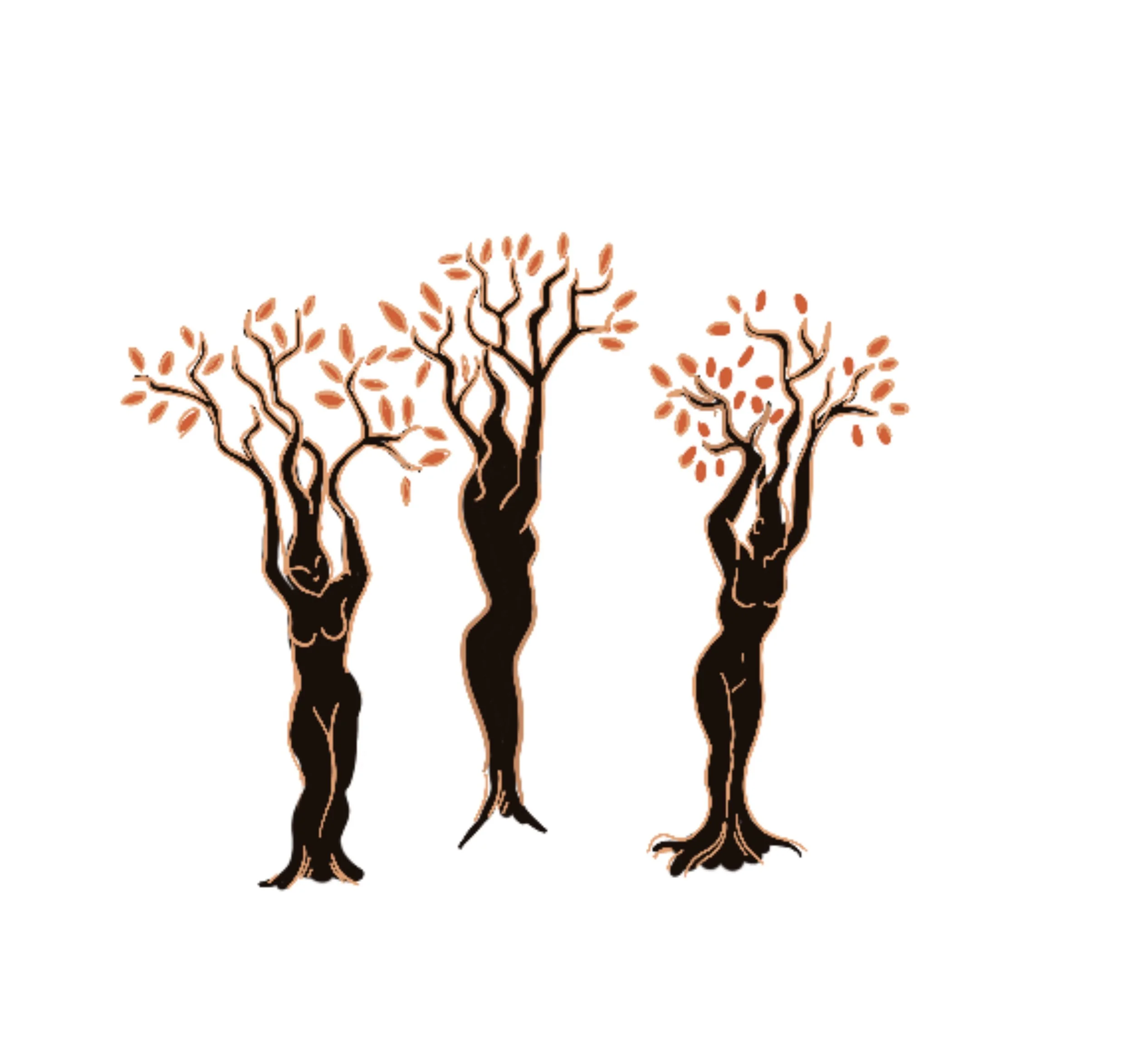
Phaethon persuaded his father, Helios, to let him drive the chariot of the sun across the sky. (You can see Helios in his chariot in the top centre of the map.) Phaethon didn’t have his father’s strength and skill so he careened wildly and crashed. His sisters were distraught; they were transformed into trees on the banks of the river Eridanos, still bitterly mourning for their brother. When the Greeks became familiar with amber and learned that it came from resin that oozed from trees in the Baltic, they associated it with the story of Phaethon’s sisters.
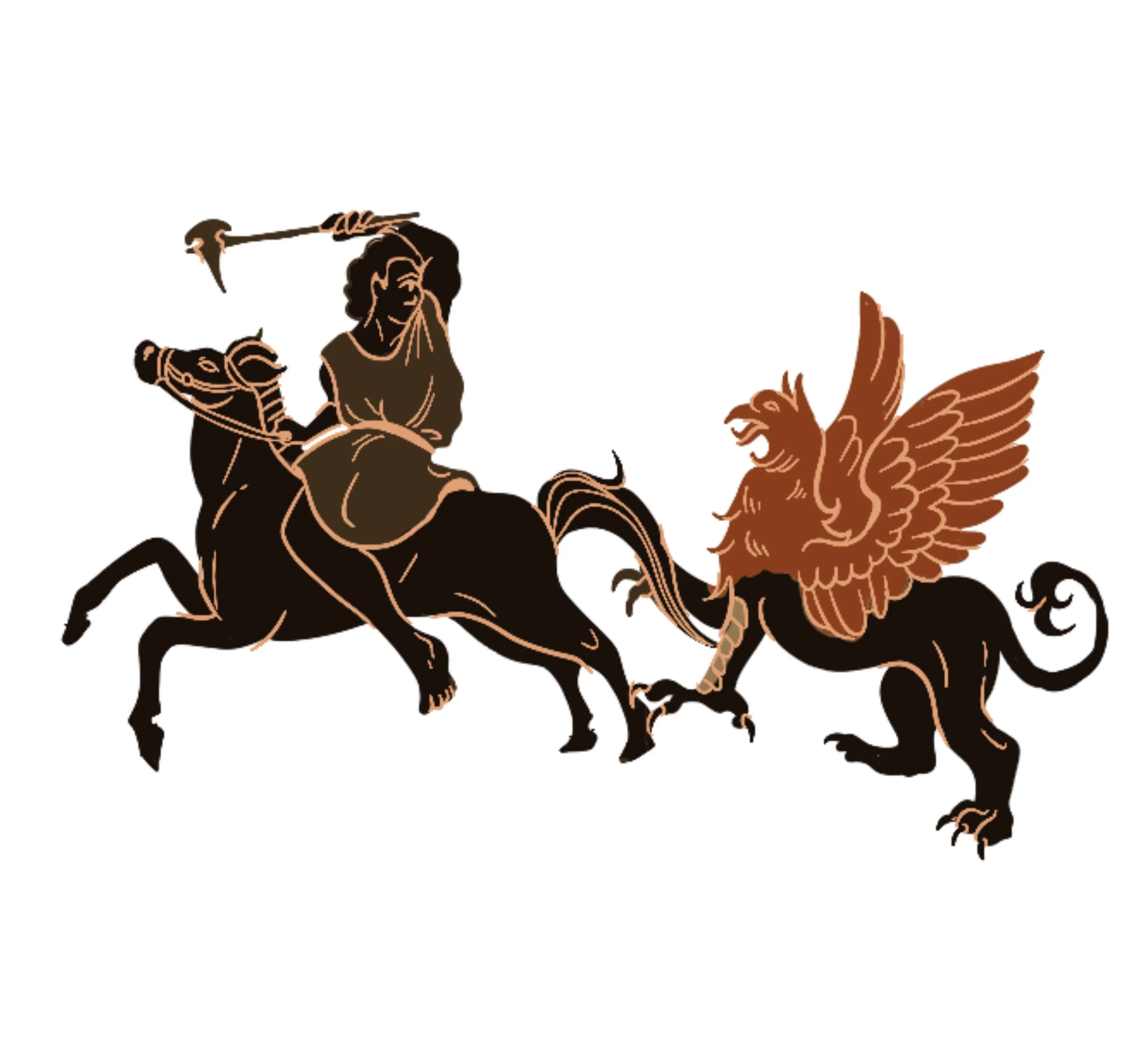
the Griffins and the Arimaspians
Griffins are creatures with the body of a lion, head and wings of an eagle. They are often shown fighting against the Amazons, or the Arimaspians, a shadowy group of one-eyed horsemen in the far north-east.
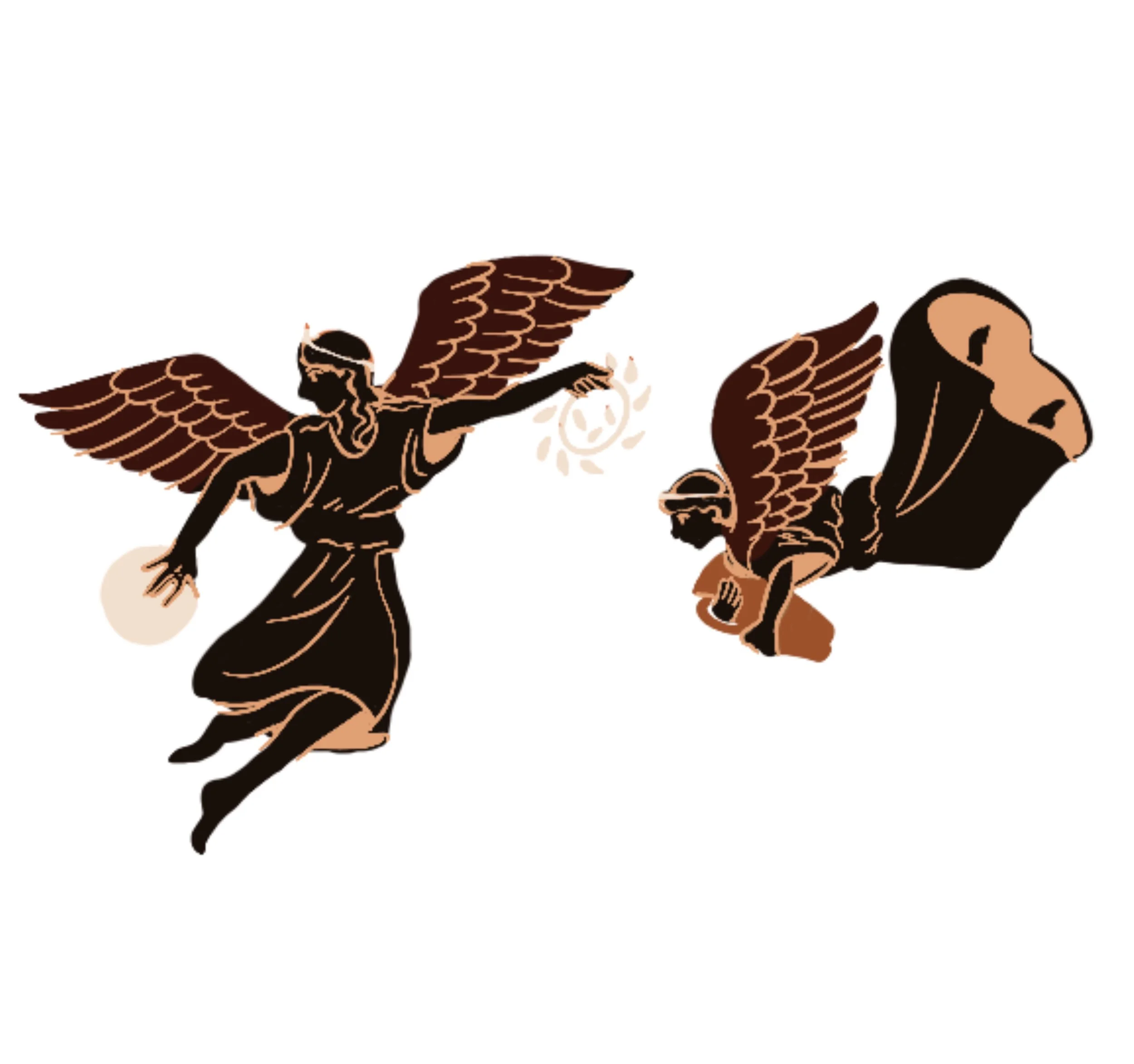
The two harpies were winged women; their name is related to the Greek word for ‘snatch’. The most famous story about them involves their persecution of the blind prophet Phineus. Every day they would swoop down and carry off his food. When the Argonauts passed by they agreed to help. Two of them, also winged, chased them all over the world, including to Scythia, and they never returned.
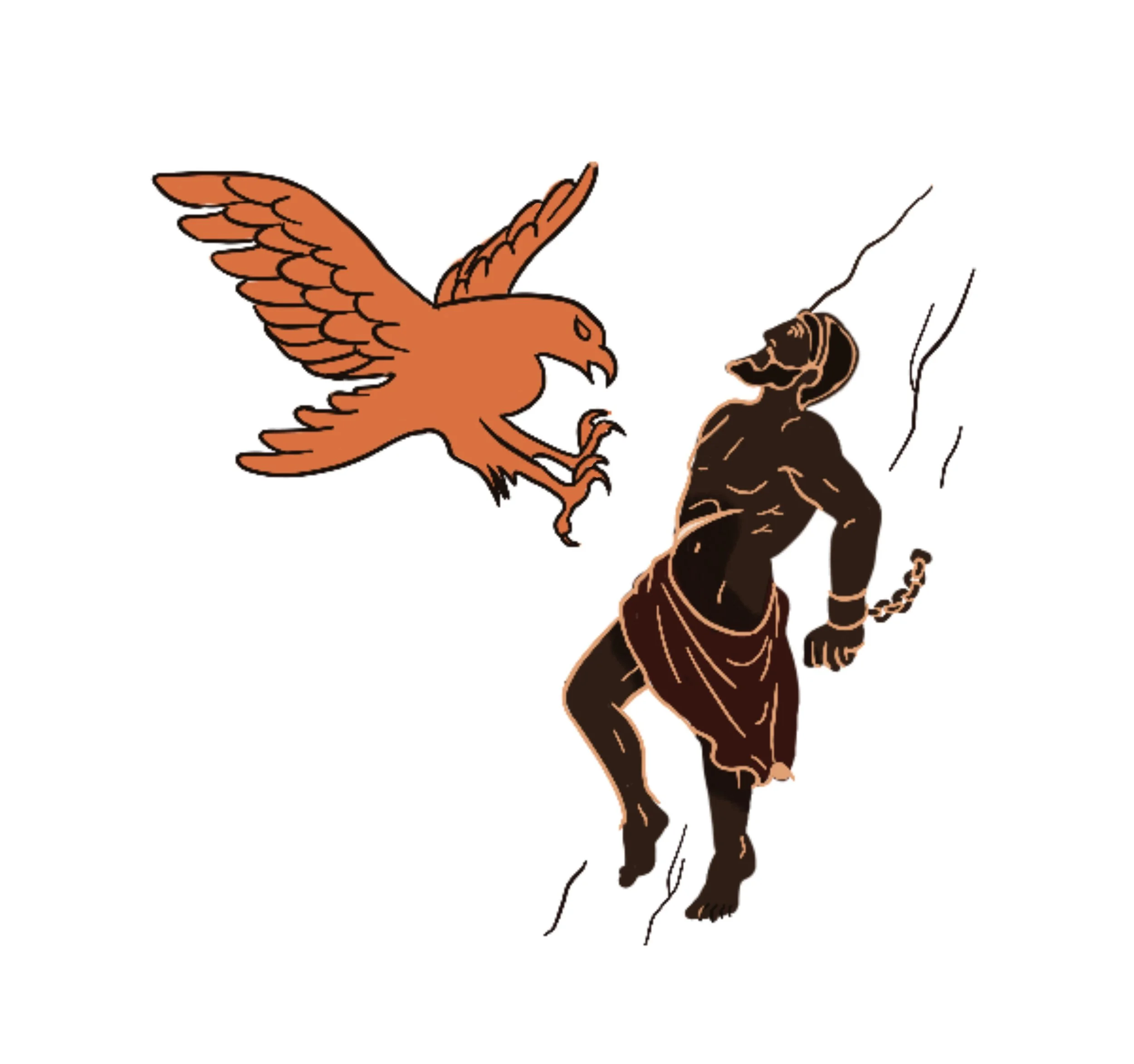
Prometheus was one of the early gods. He gave great gifts to humans — like fire — and was punished for this by Zeus. Zeus chained him to a cliff-face in the Caucasus and every day sent an huge eagle to eat his liver. Each night his liver regrew and the torture began again. Finally, Heracles came across Prometheus, killed the eagle, and freed him.
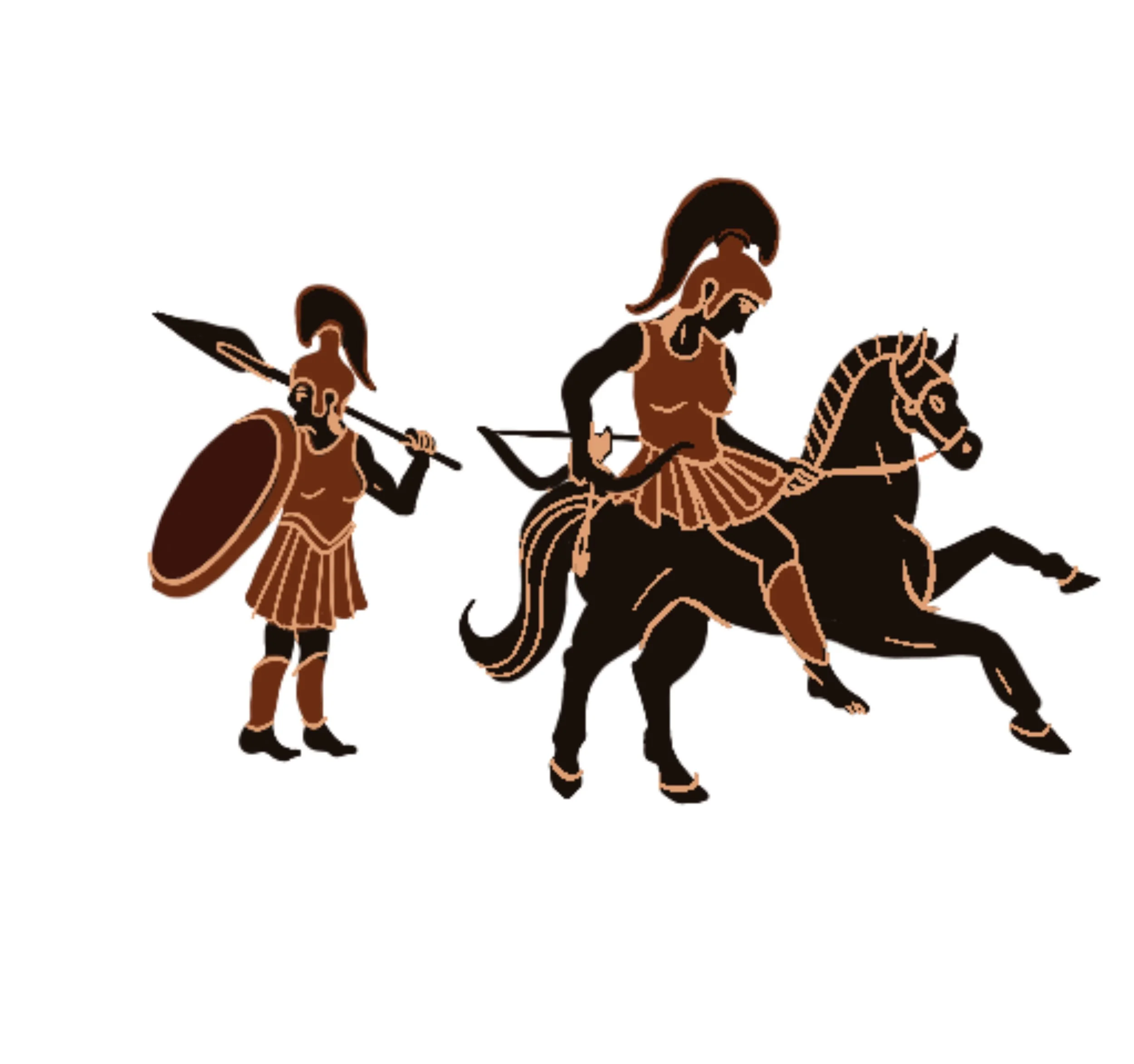
The Amazons were the female warriors of antiquity. Their kingdom was usually placed around the Black Sea. They were attacked there by Heracles in one of his labours. They were said to have established the impressive sanctuary of Artemis at Ephesos and to have funded other cities up and down the coast of Asia Minor. They came as allies of Priam to defend Troy, and attacked Athens to punish Theseus.
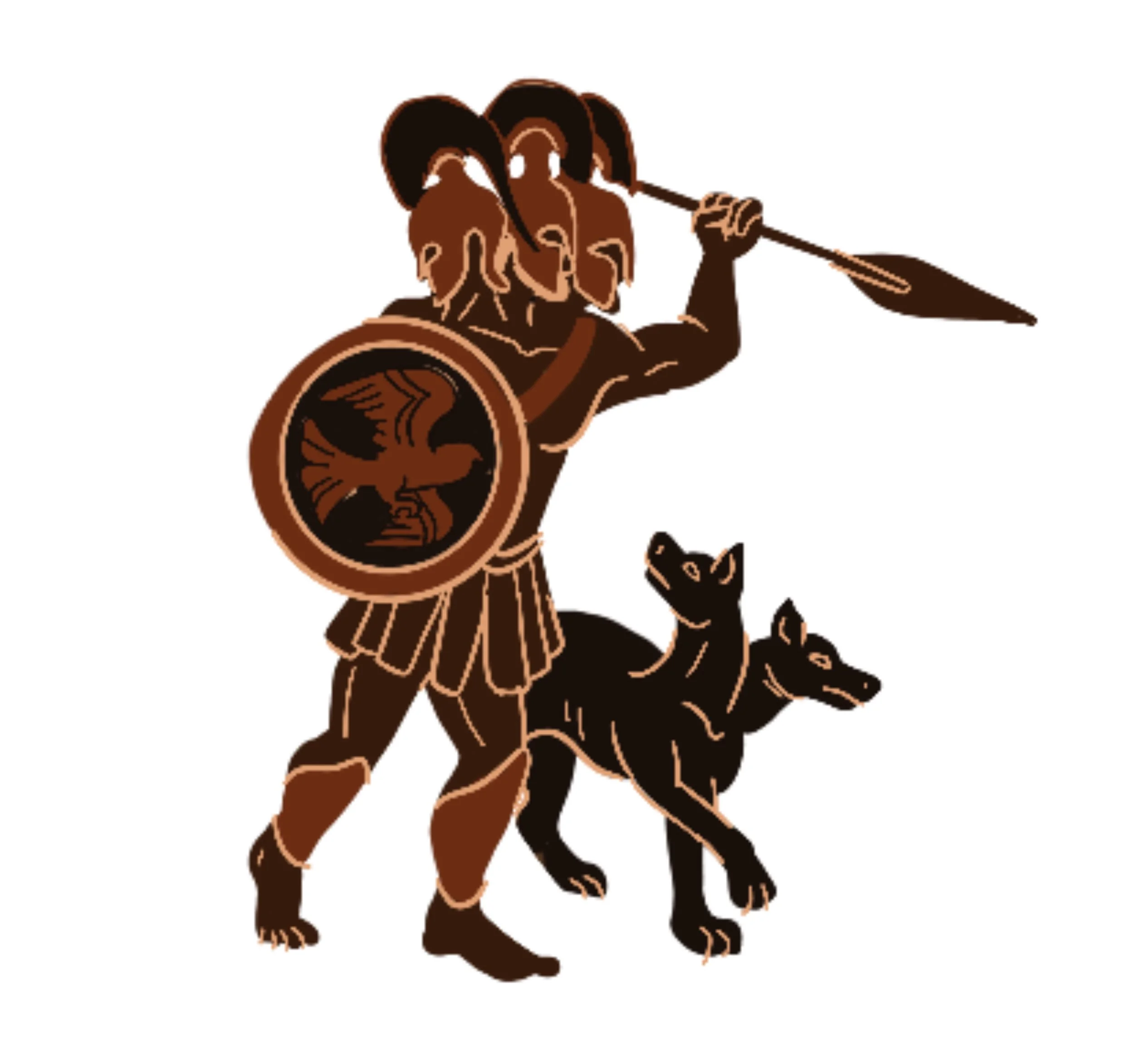
Geryon ruled Erytheia, which was often located at Gades (modern Cadiz) on the Atlantic coast of Spain. Heracles killed him and stole his cattle as one of his labours. Geryon has either three bodies or three heads; his guard dog Orthos has two heads. Orthos was the son of Typhon and Echidna; his brother was Cerberos, the multi-headed guard dog of the Underworld. Heracles killed him too.
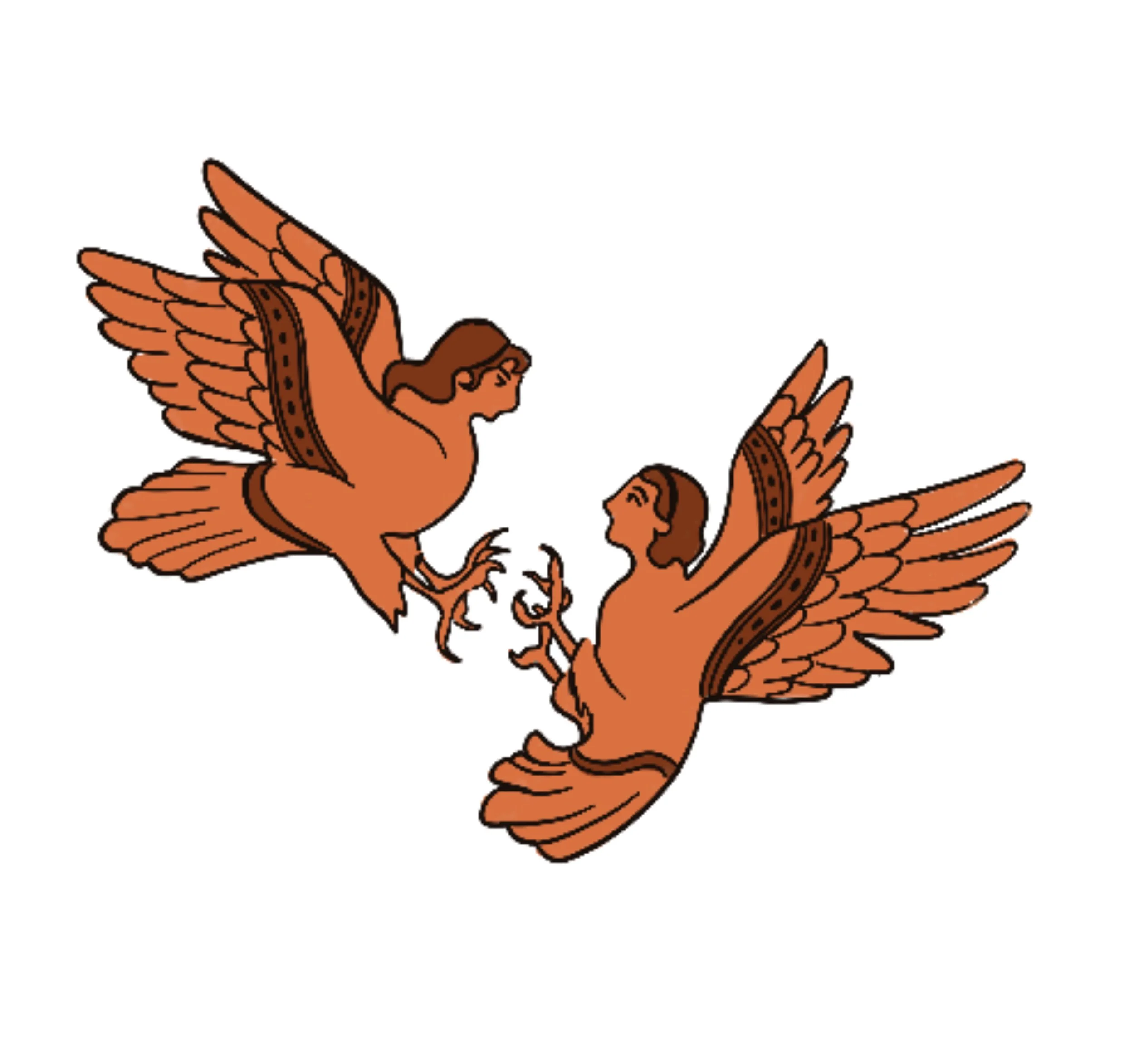
The Sirens sang such beautiful songs that passing sailors lost all desire to continue their voyages. They were often depicted as women with the legs or wings of birds. When Homer describes Odysseus taking Circe’s advice and sailing past them tied to his mast, he locates them in a featureless ‘beyond’. But later Greek storytellers located them on the site of the Greek city of Neapolis (modern Naples) and said that one of them was buried in a tomb on the coast.
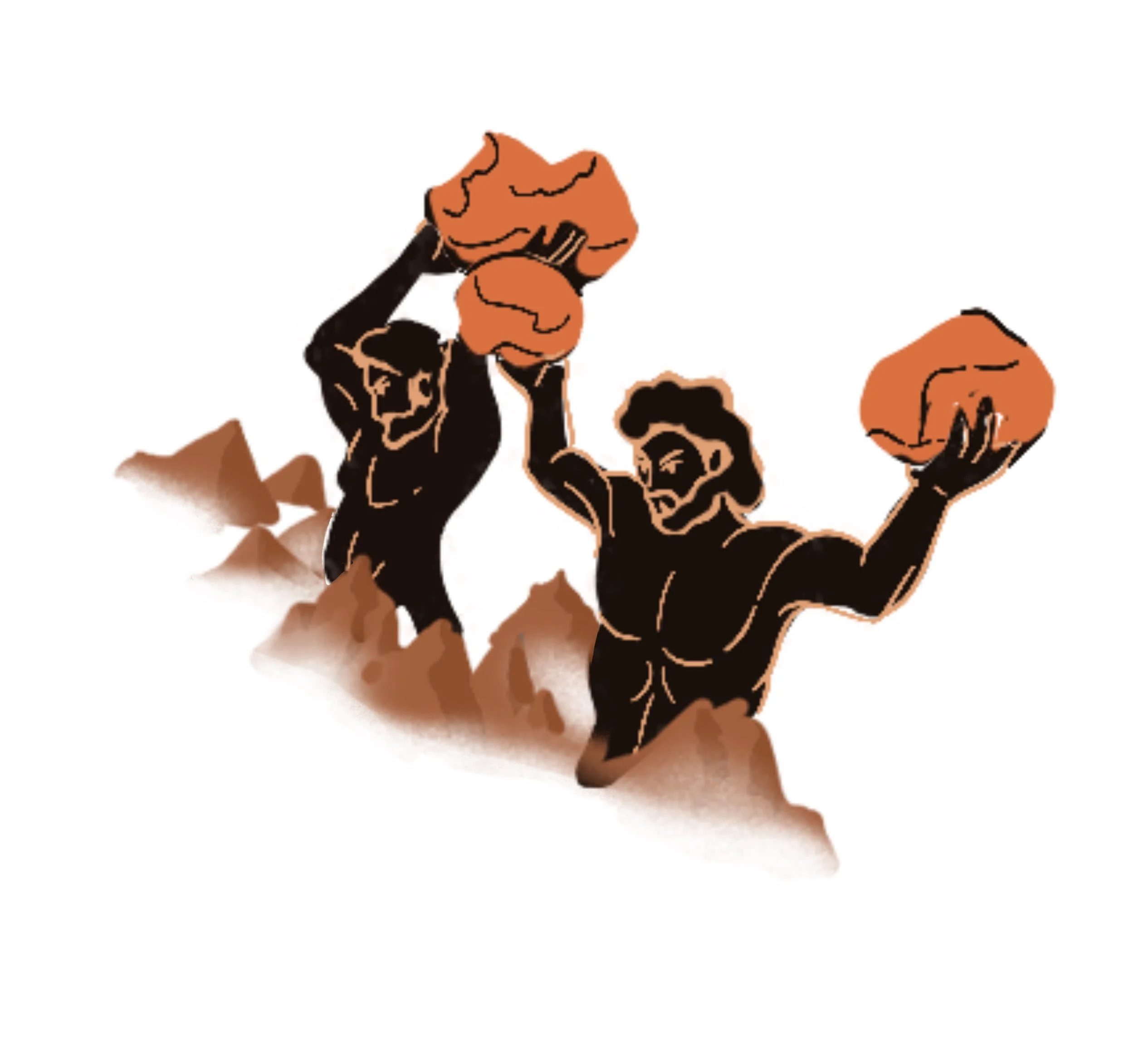
The Laistygonians were giants led by their king, Antiphates. They killed many of Odysseus’ men and destroyed most of his ships. Homer places them in the featureless ‘beyond’, but later storytellers located them in the known world. One tradition placed their kingdom them at Latium, the region around Rome.
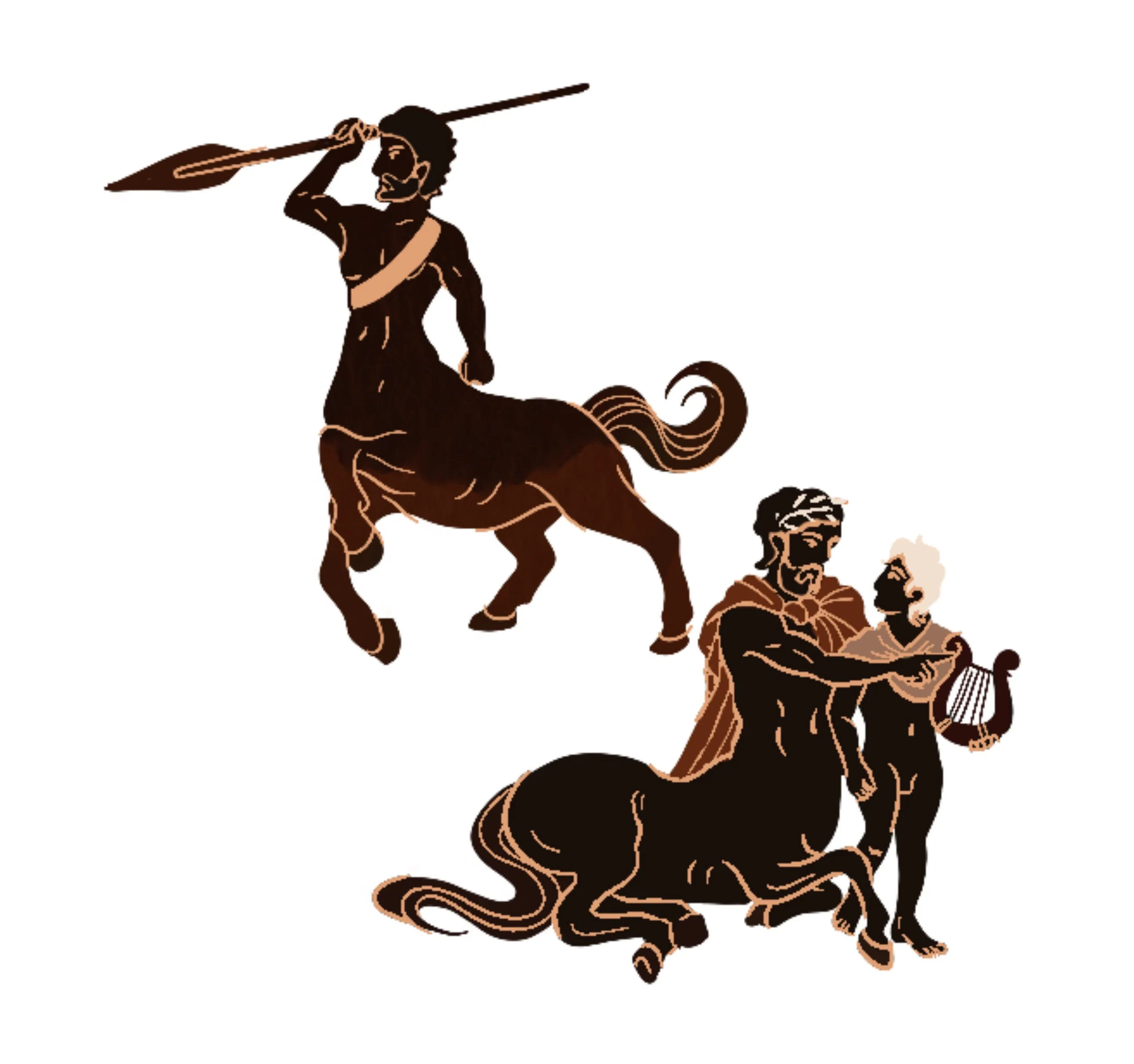
Centaurs were horse-human hybrids. The earliest Greek artists made their front legs human; but they soon had the more familiar form, with four horse legs. The most famous Centaur was the wise Cheiron, who lived in a cave on Mt Pelion in Thessaly, in northern Greece, and taught many young heroes, including Achilles. Other stories also associate the Centaurs with Thessaly, and sometimes Arcadia. They are often unruly, even violent, and unfamiliar with human customs.
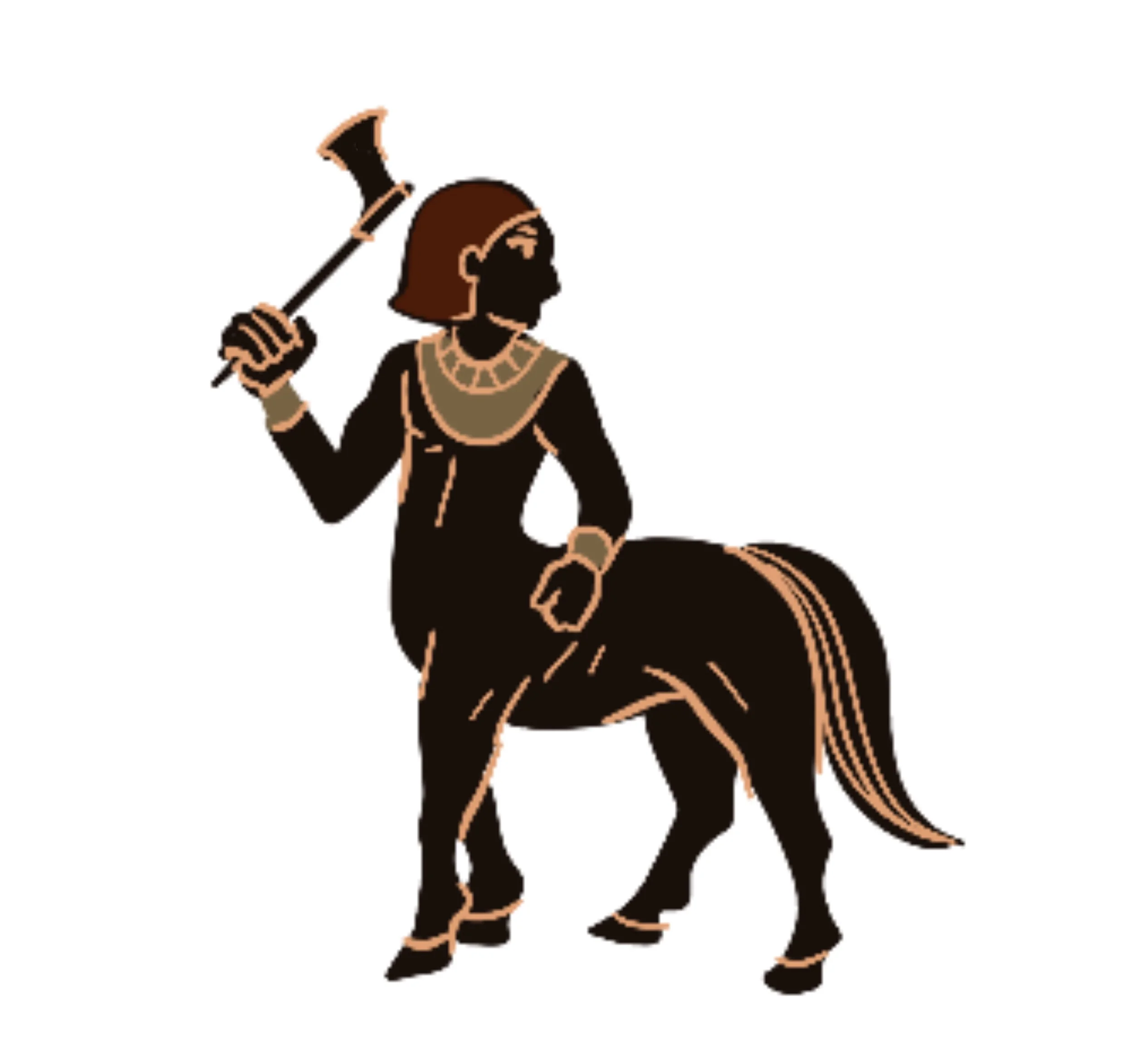
In antiquity, philosophers often mentioned Centaurs when they debated the limits of biological possibility. If humans and horses both existed, why couldn’t a human-horse hybrid? There were many historical accounts of Centaurs being ‘found’.
Pliny (7.35) says that a Centaur was captured in Egypt. Its body was preserved in honey and brought to Rome during the reign of the Roman Emperor
Tiberius (41-54CE). Pliny himself saw it on display.
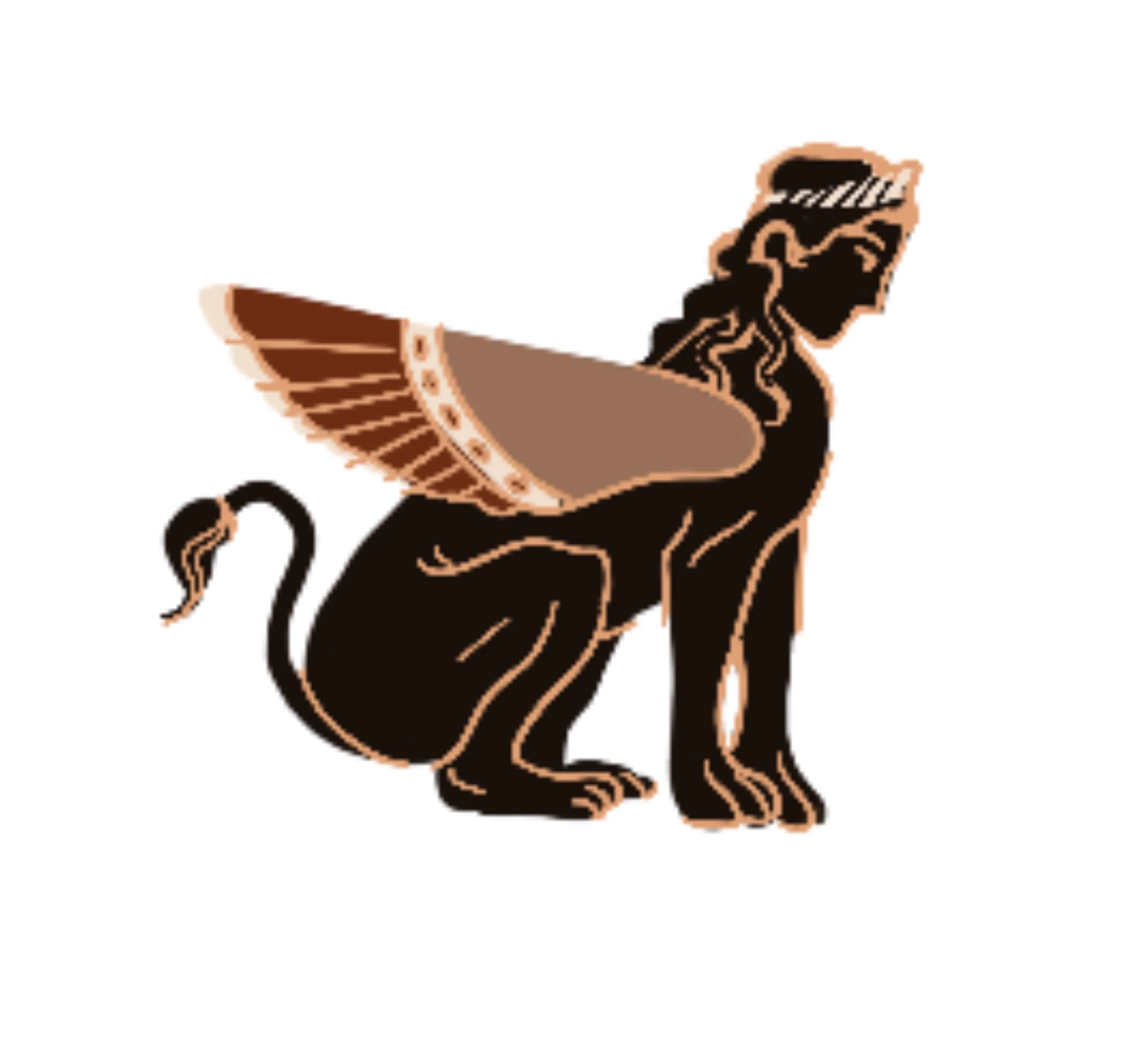
Greek Sphinxes have the body of a lion, the head of a woman, and the wings of an eagle. This form was borrowed from Egyptian culture. Sphinxes often appear in Greek art, but ‘the Sphinx’ was a specific mythic character. She sat on a hill outside Thebes, in central Greece, and chanted a riddle. She killed anyone who gave the wrong answer until finally Oedipus cracked the riddle and won as his prize the kingdom of Thebes, and the widow of the former king as his wife. Which was of course just the beginning of his troubles.
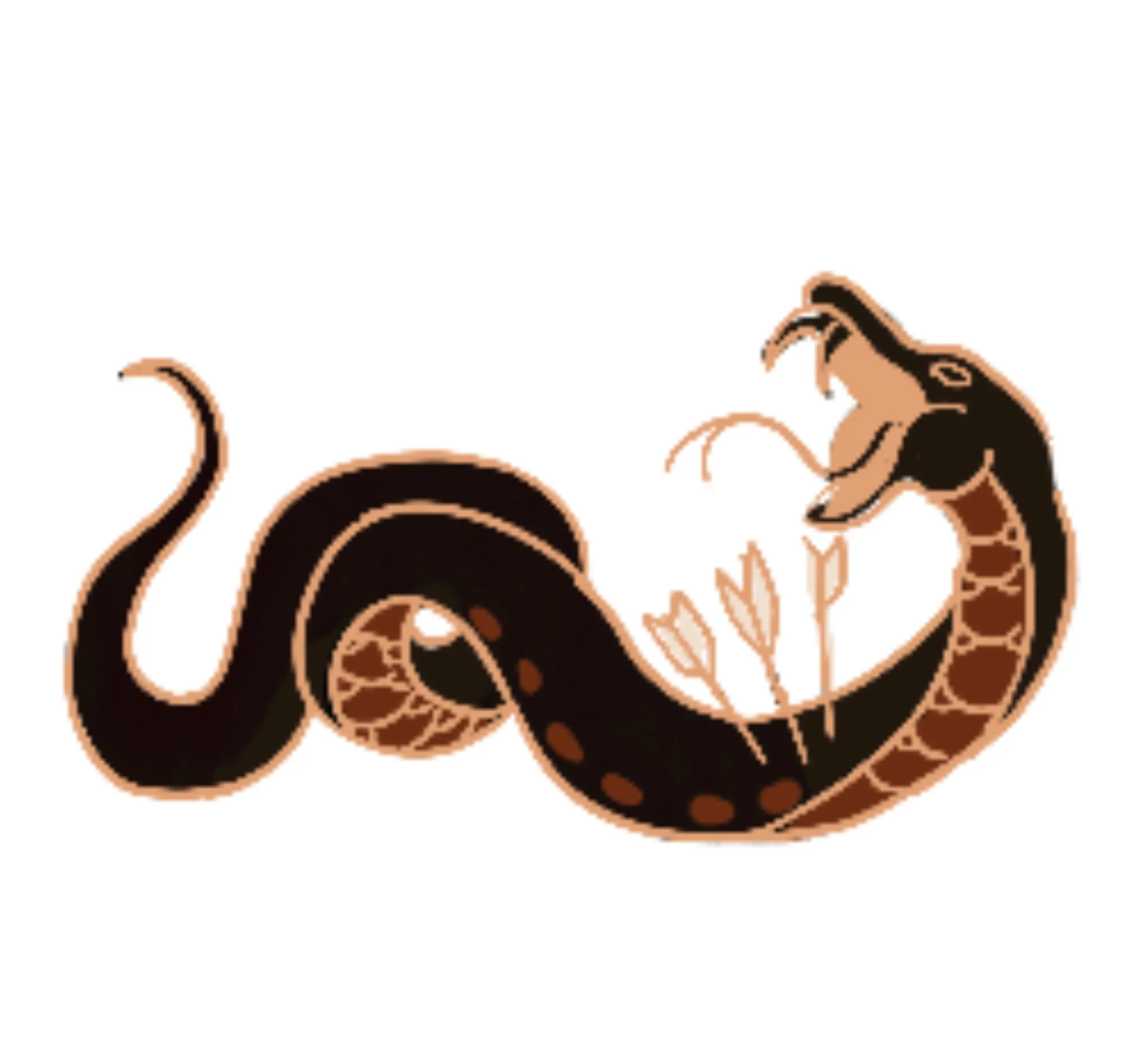
Python was a giant snake, sometimes said to be the child of Gaia (Mother Earth). Some of our ancient source say Python was female, others say Python was male. Python guarded the site of Delphi, on Mt Parnassos, in central Greece. When Apollo wanted to establish his oracle at Delphi, he first had to kill Python. As Pytho’s body rotted, it was said to have produced a great stench.
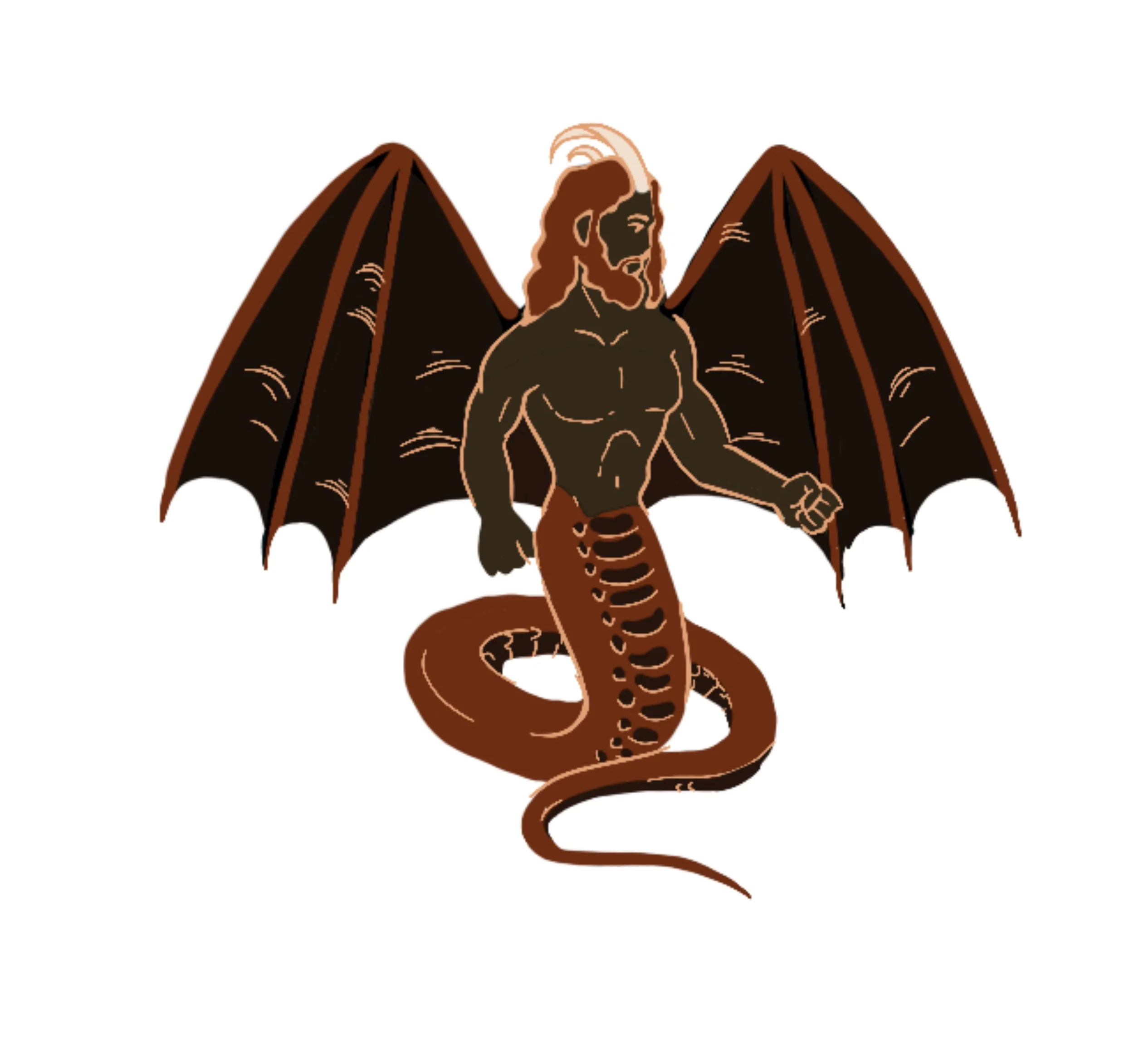
Typhon was the son of Gaia (Mother Earth) and Tartaros (the Underworld). In the earliest period of Greek myth, Typhon challenged Zeus. A massive battle ranged across the whole Aegean. Finally, Zeus killed Typhon with his thunderbolt and buried his body. There were a lot of traditions about where this happened. In most of the places, like Mt Aetna on Sicily and Cumae in Italy, Typhon’s anger explains the volcanic activity in the area. He was also said to be buried in a region of modern Türkiye called ‘Katakekaumene’ (‘the burnt land’). This was a black landscape of dormant volcanoes, which fit well with the idea of a cosmic battle between Zeus and a powerful monster.
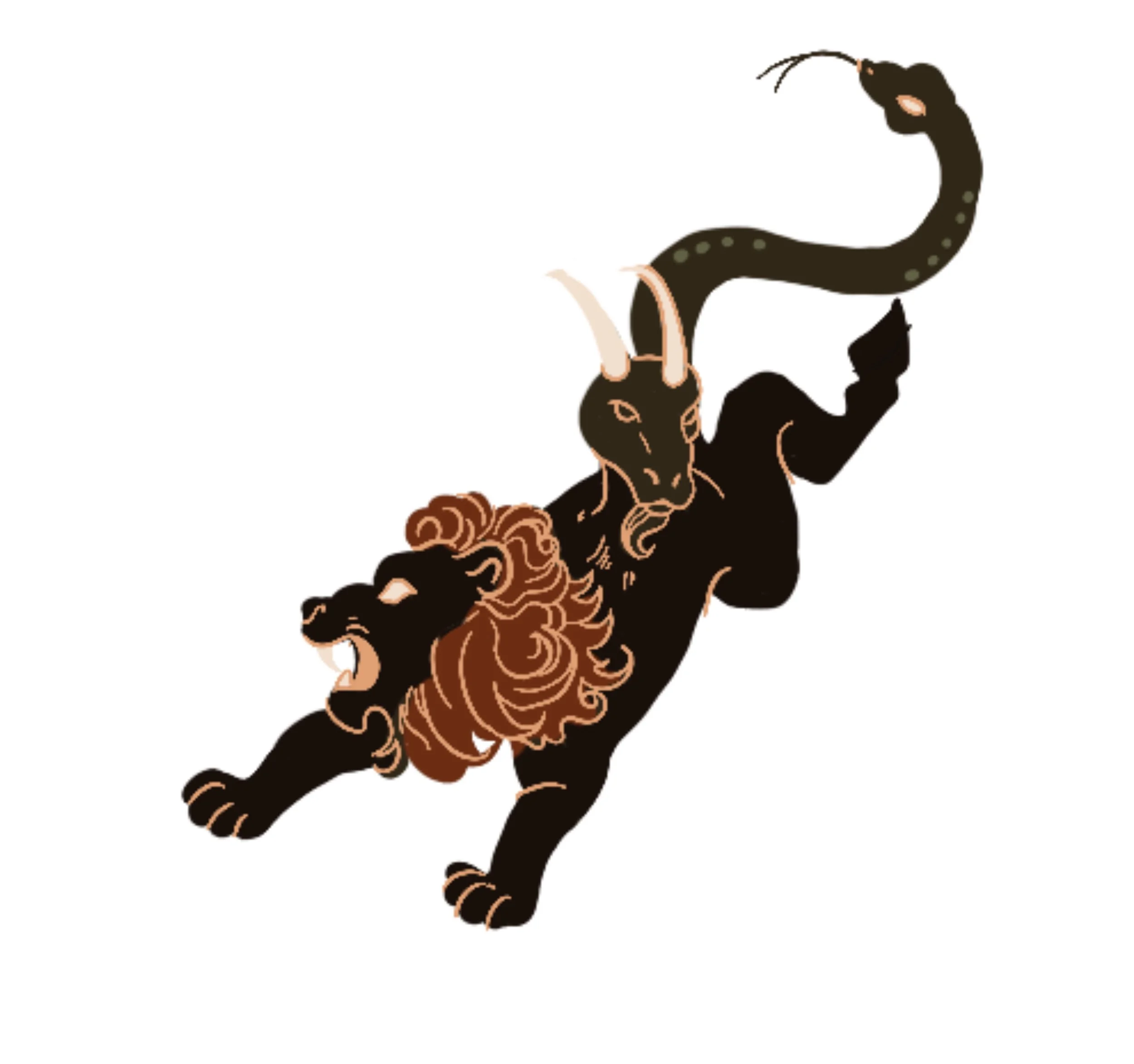
The Chimaira was a lion-goat-snake hybrid. She was the daughter of two other monsters: Typhon and Echidna. She lived in Lycia, a region in modern Türkiye. There was a mountain there called Mt Chimaira. She was killed by the hero Bellerophon riding the winged horse Pegasos.
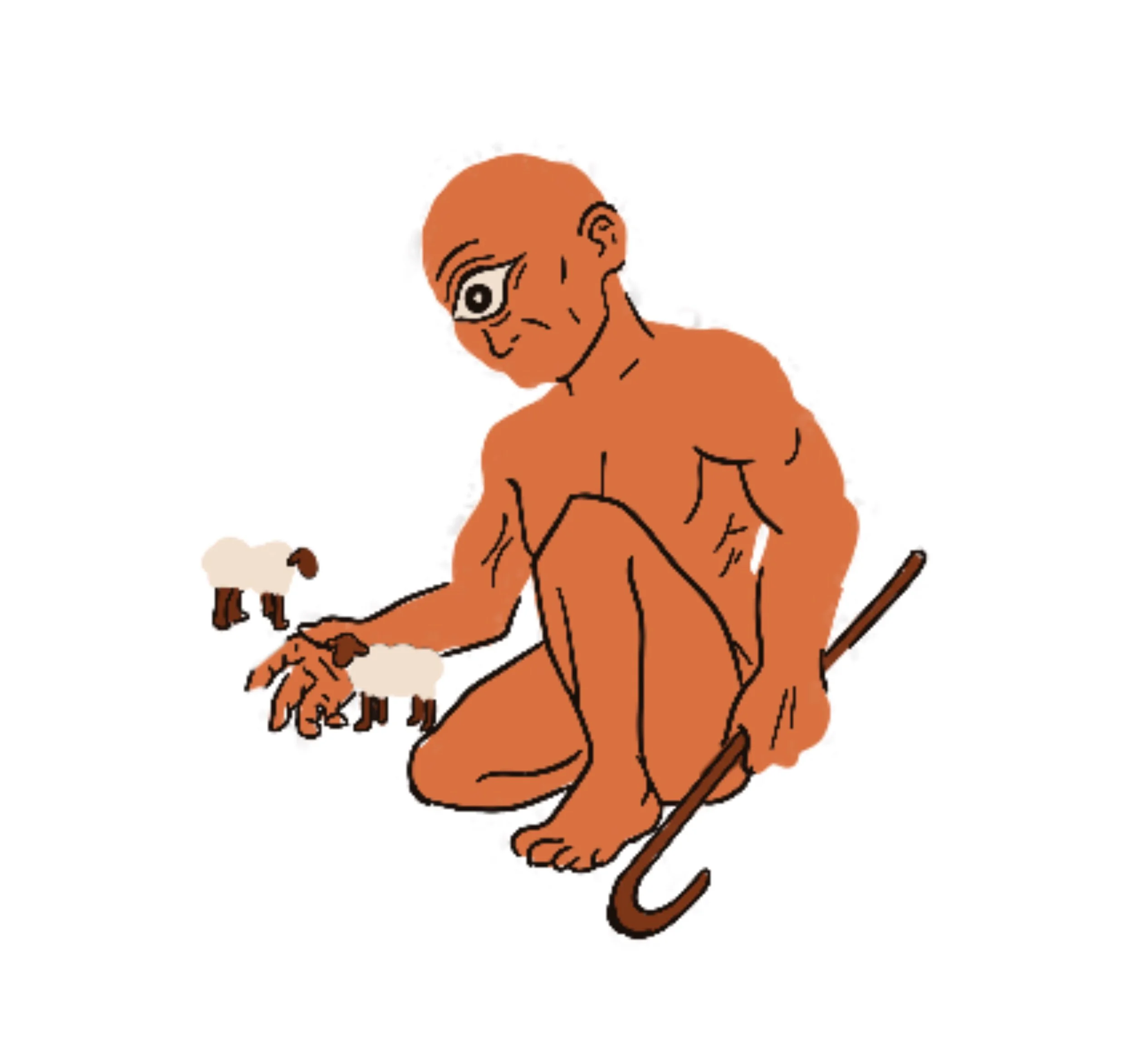
The Cyclops is a one-eyed giant who lives in a cave and makes cheese from his flock of sheep. He traps Odysseus and his companions inside his cave and starts killing and eating them two-by-two. They manage to blind him and escape. Homer locates the Cyclopes in a featureless ‘beyond’. Later Greek storytellers gave the Cyclops the name ‘Polyphemos’ and located him on Sicily, where Mt Aetna’s eruptions recalled how he threw rocks at Odysseus’ ships. Pliny (3.89) says that three small islands off the coast were called ‘the Rocks of the Cyclops’.
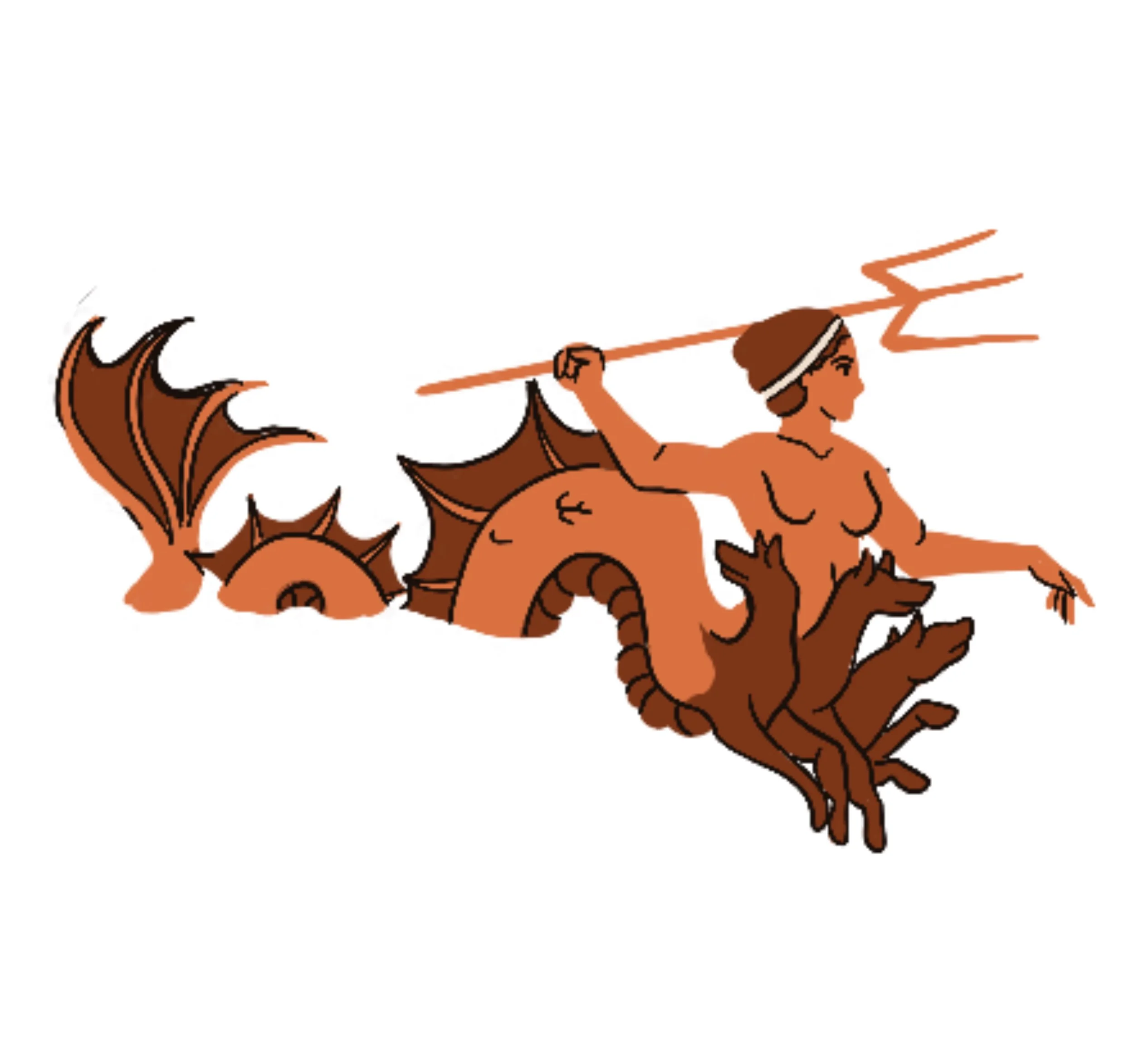
Scylla was a sea monster with dogs at her waist and a snakey tail. In Homer’s Odyssey, she is paired with the whirlpool Charybdis as a double danger that Odysseus needs to sail past. Homer locates Scylla and Charybdis in a featureless ‘beyond’. Later Greek storytellers located the pair in the sea between Sicily and Italy. There, dangerous tides in the Strait of Messina seemed to recall their threat to sailors. Scylla was associated with a rocky headland (‘Cape Scylla’) on the Italian side.
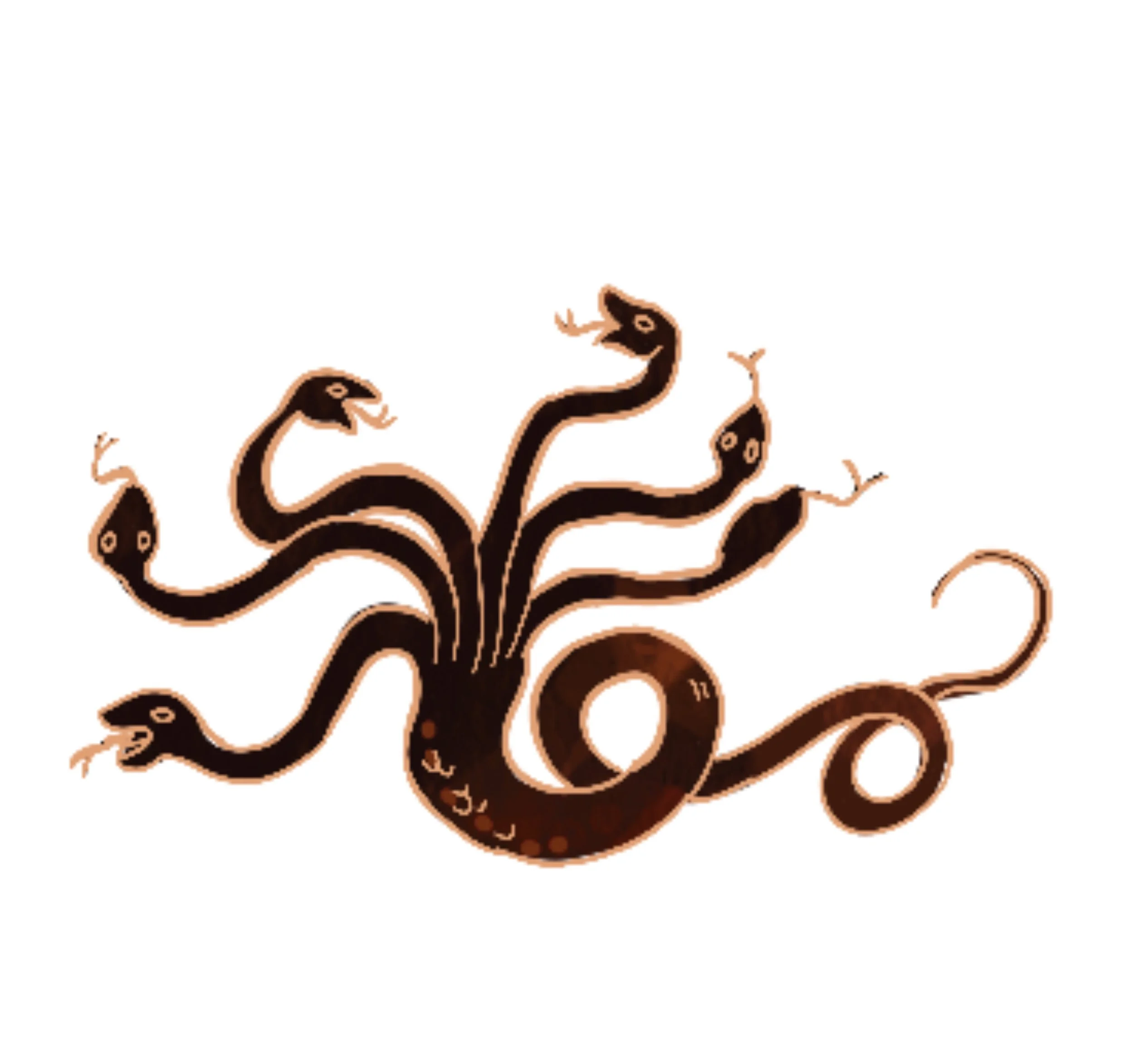
The Hydra was a multi-headed watersnake. Heracles had to kill it as one of his Labours. He soon found that, for each head he sliced off, several regrew in its place. He finally succeeded by quickly searing the stumps with a blazing torch to stop this regeneration. It is often called the ‘Lernean Hydra’ because it lived in a marshy spring of the river Amymone near Lerna, a city in the Argolid in southern Greece.
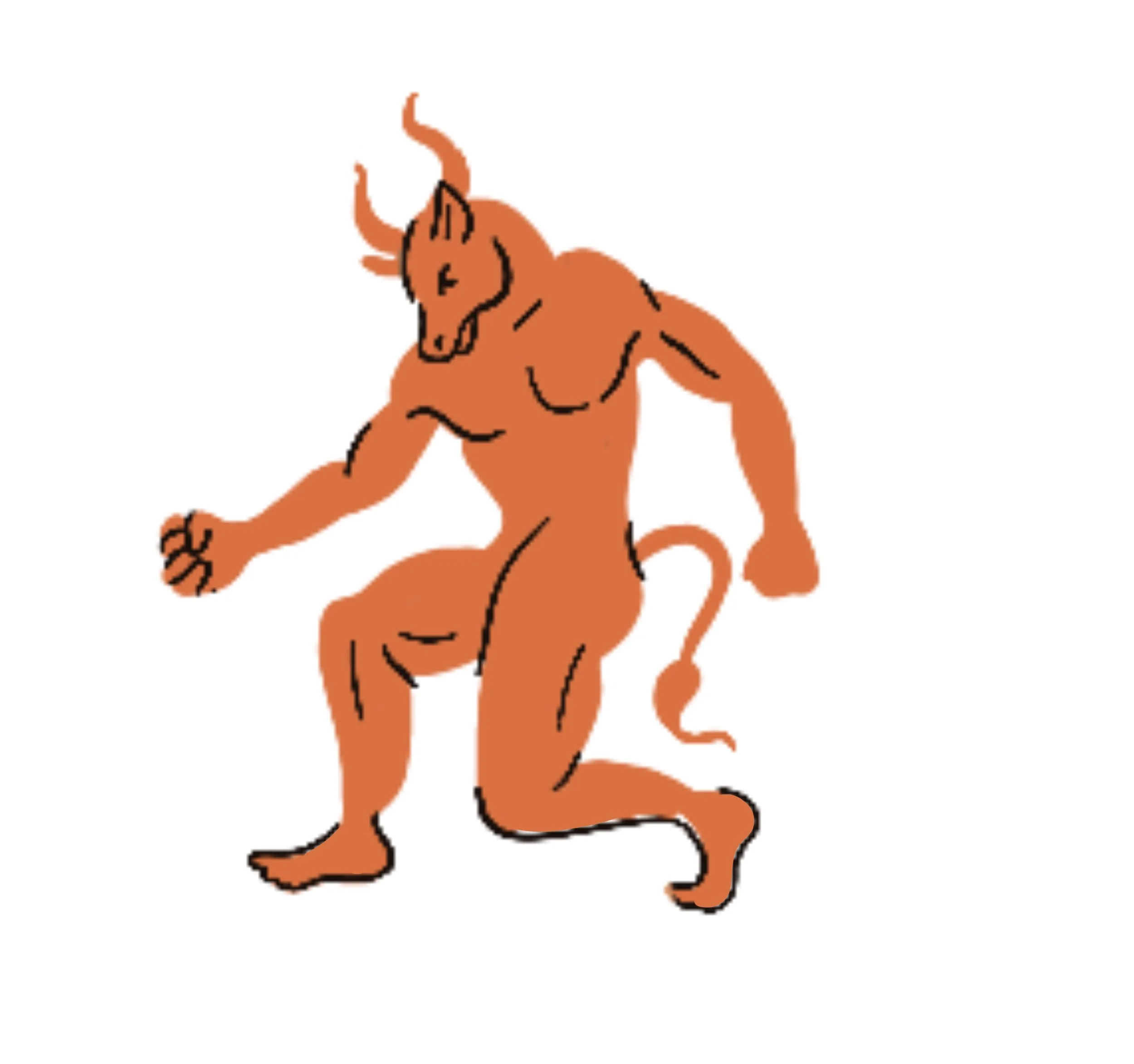
‘Minotaur’ means ‘Bull of Minos’. Minos was the powerful king of Knossos, in Crete. The bull-headed Minotaur was born after Poseidon made Minos’ wife Pasiphae fall in love with one of Minos’ bulls. Minos had the skilled craftsman Daidalos build a great Labyrinth and he locked the Minotaur up in there. The Athenians were forced to send young people to be fed to the Minotaur. One of them, Theseus, killed the Minotaur with help from Minos’ daughter Ariadne. During the Roman Empire, Cretans offered visitors tours of a complex that they said was the Labyrinth that once housed the Minotaur.
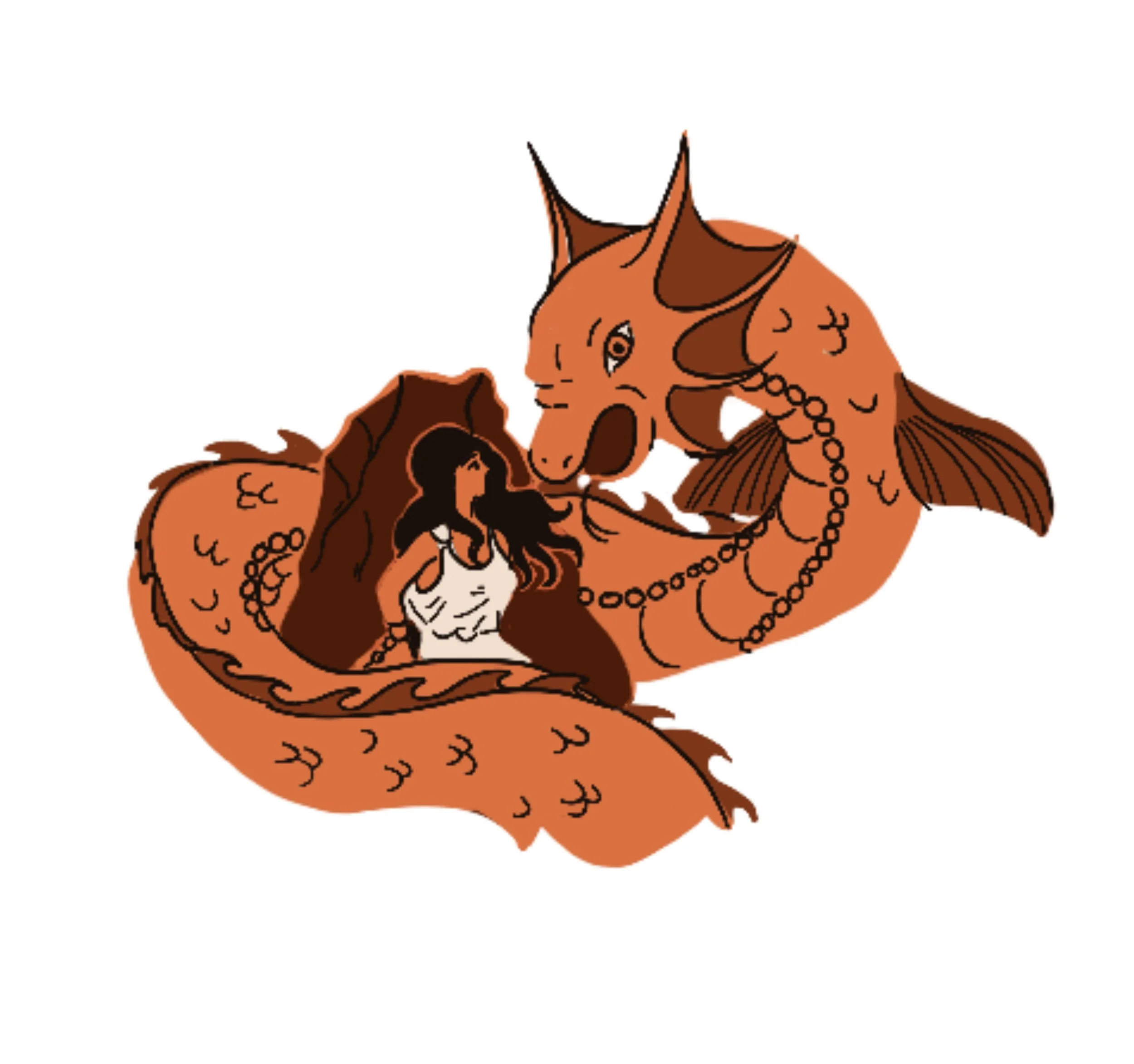
Greek myth has several sea monsters. This is the one that Perseus rescues Andromeda from. Poseidon had demanded that Andromeda be chained to a rock as punishment for her mother’s arrogance. Perseus flew in and killed the monster.
This happened at Ioffe (modern Jaffa, in Israel) or on a small island off its coast. Pliny says that you could still see marks on some rocks which had been made by Andromeda’s shackles (5.69) and that the sea monster’s skeleton — which was 12m long — was brought to Rome in the first century BCE (9.4.1).
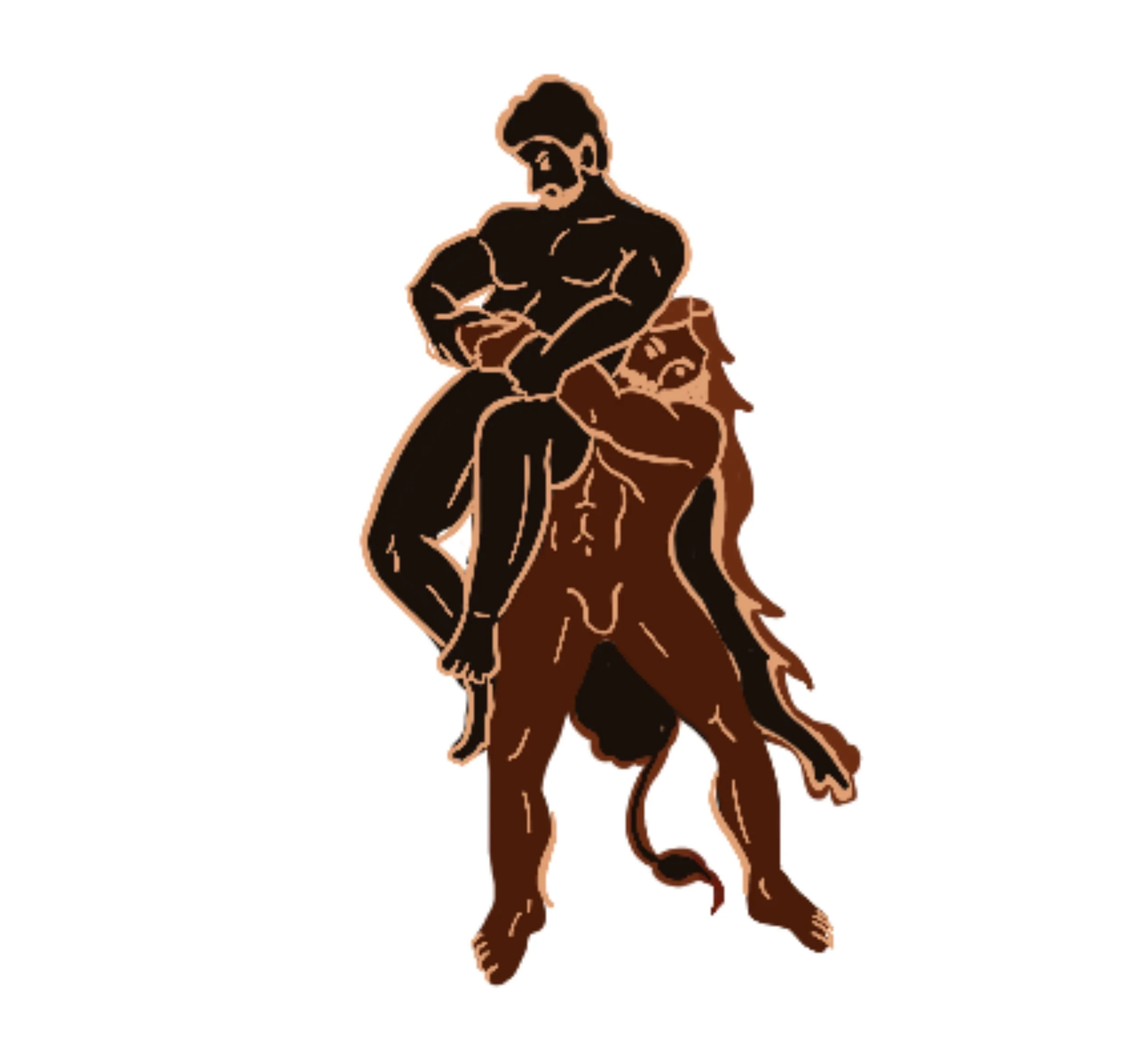
Antaios was the son of Poseidon and Gaia (Mother Earth). He was a giant. He founded and ruled the city of Tingi (modern Tangiers, in Morocco) where he decorated a temple with the skulls of men he had killed in wrestling matches. When Heracles visited, Antaios forced him to wrestle. Heracles realised that he got his strength from his mother. He held him high above the earth and crushed him to death. The Roman general Sertorius dug into a tumulus near Tingi in the 1st century BCE and discovered Antaios’ corpse, which was almost 30m tall. He reburied it with full ritual honours. Antaios’ palace and his shield made from elephant hide were also preserved there in the Roman period.
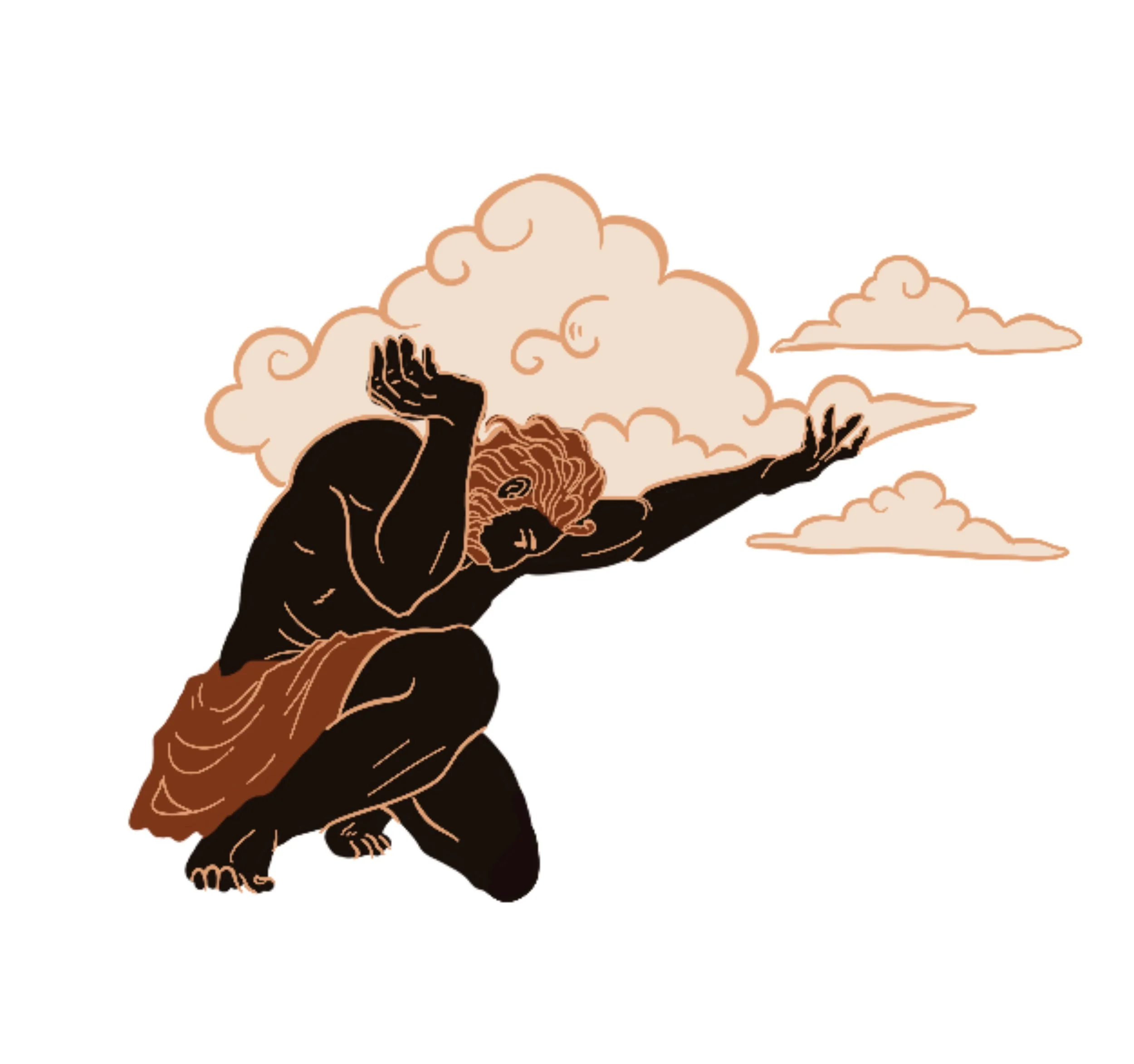
Atlas belonged to a generation of Greek gods earlier than the Olympians. His job was to hold up the sky. He was sometimes thought to be a personification of the Atlas Mountains in modern Morocco. Heracles encountered him when he travelled through North Africa on his way to the Garden of the Hesperides. In some versions Heracles holds up the sky for a while while Atlas goes to get the apples from the Garden and Heracles has to trick him to take back his burden.
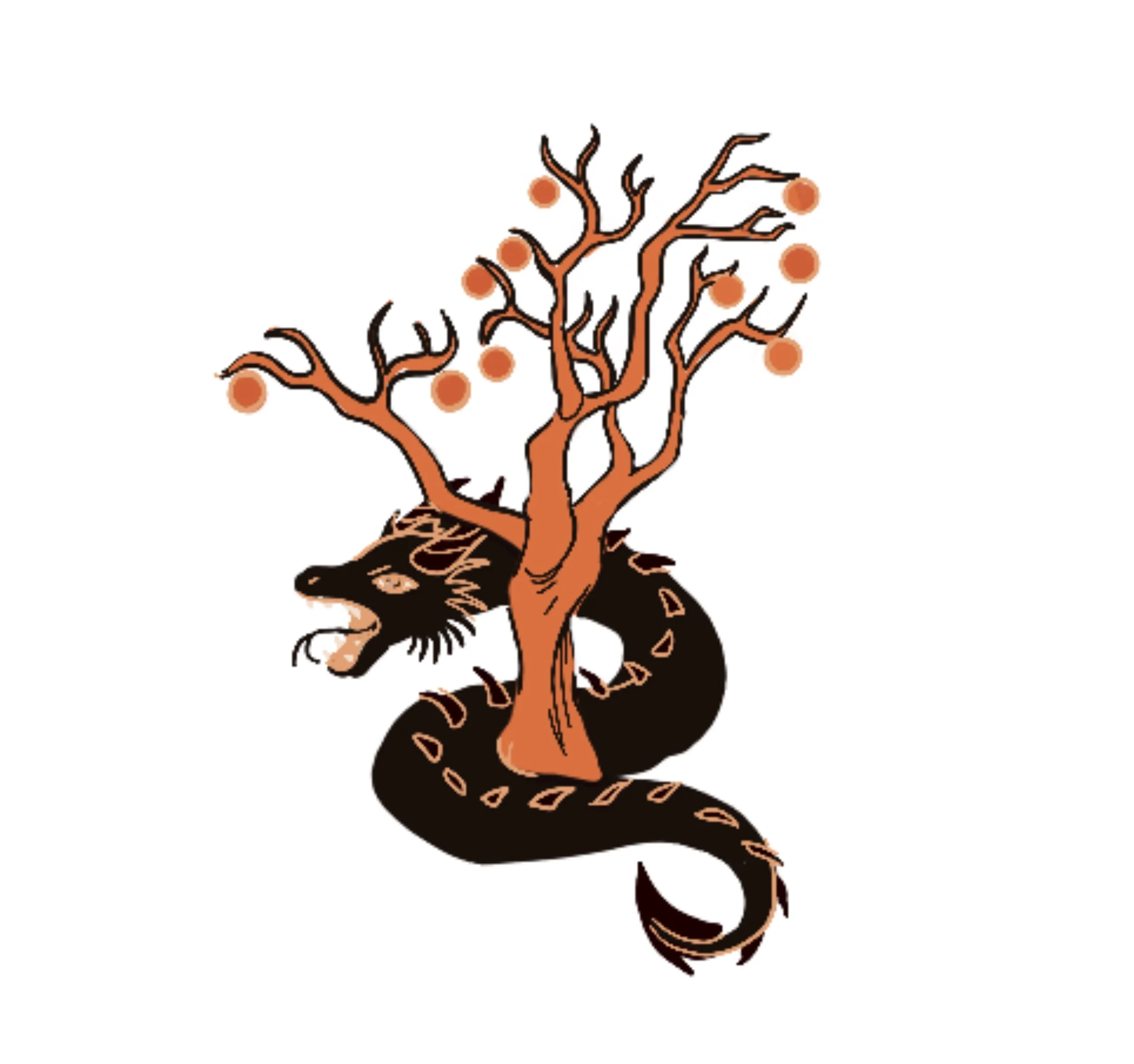
Ladon was the serpent that guarded the tree with the golden apples that grew in the Garden of the Hesperides. Fetching these apples was one of Heracles’ labours, so he had to kill Ladon. In some accounts, he is transformed into the constellation Draco. The Hesperides were daughters of Nyx (Night). They lived at the far western edge of the earth. Later storytellers located their Garden in particularly verdant areas of North Africa, including around the Gulf of Sidra (in modern Libya).
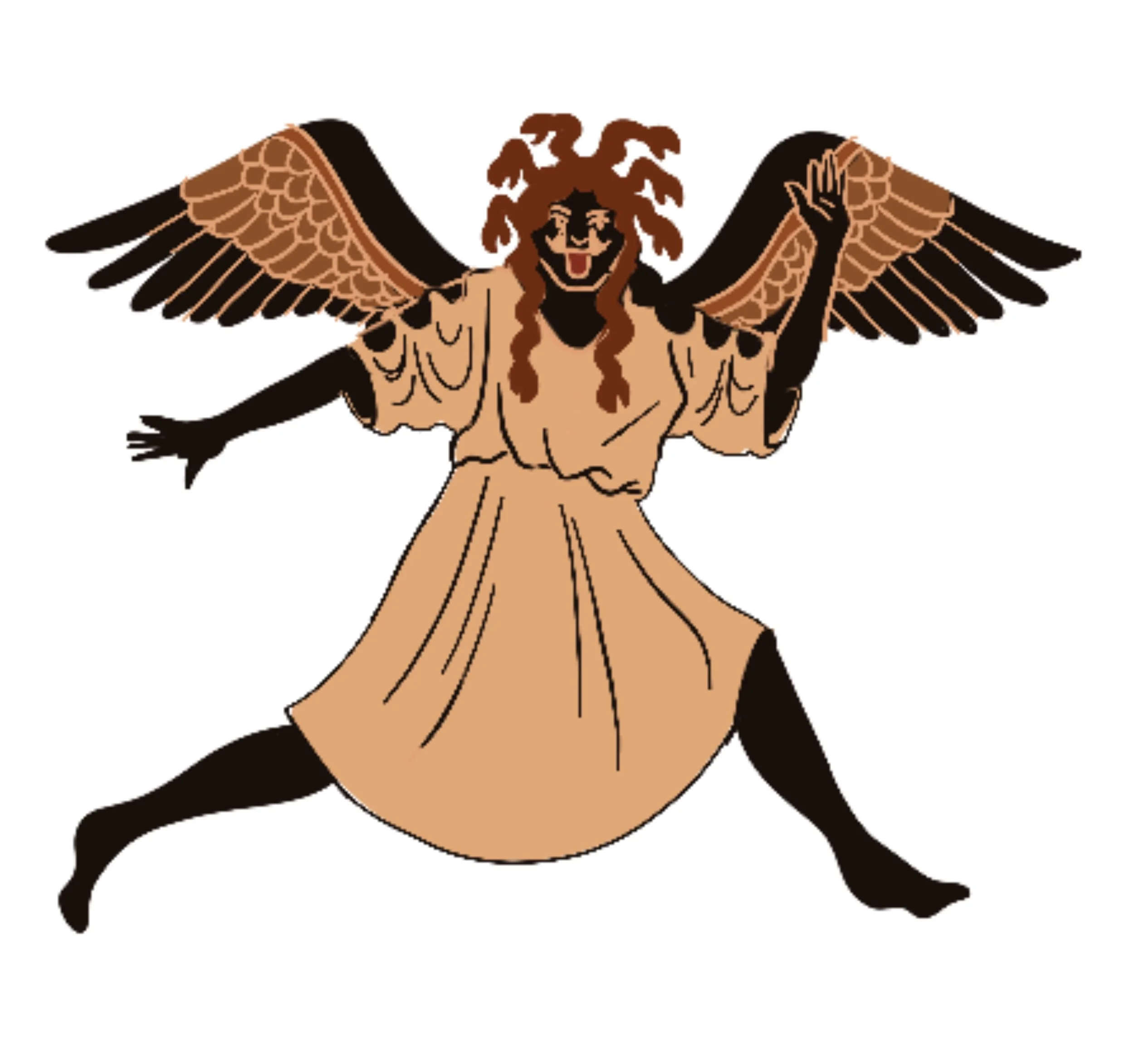
Medousa and her sister Gorgons were some of the most recognisable monsters in antiquity. They had terrifying faces, and snakes for hair. Anyone who looked at them was turned to stone. Some storytellers said Medousa had originally been a beautiful woman but she had been cursed. Perseus killed Medousa and used her decapitated head against his enemies.
Ancient storytellers associated the Gorgons with North Africa, and especially with Lake Triton, an imaginary inland waterway.
From Medousa’s spilt blood were created Pegasos (a winged horse), Chrysaor (a giant), and swarms of desert snakes. The people of Argos, Perseus’ hometown in mainland Greece, claimed to have Medousa’s head buried in a marked tomb. In Arcadia, the Tegeans said that Athena had given them a lock of Medousa’s hair as a protection for their city.
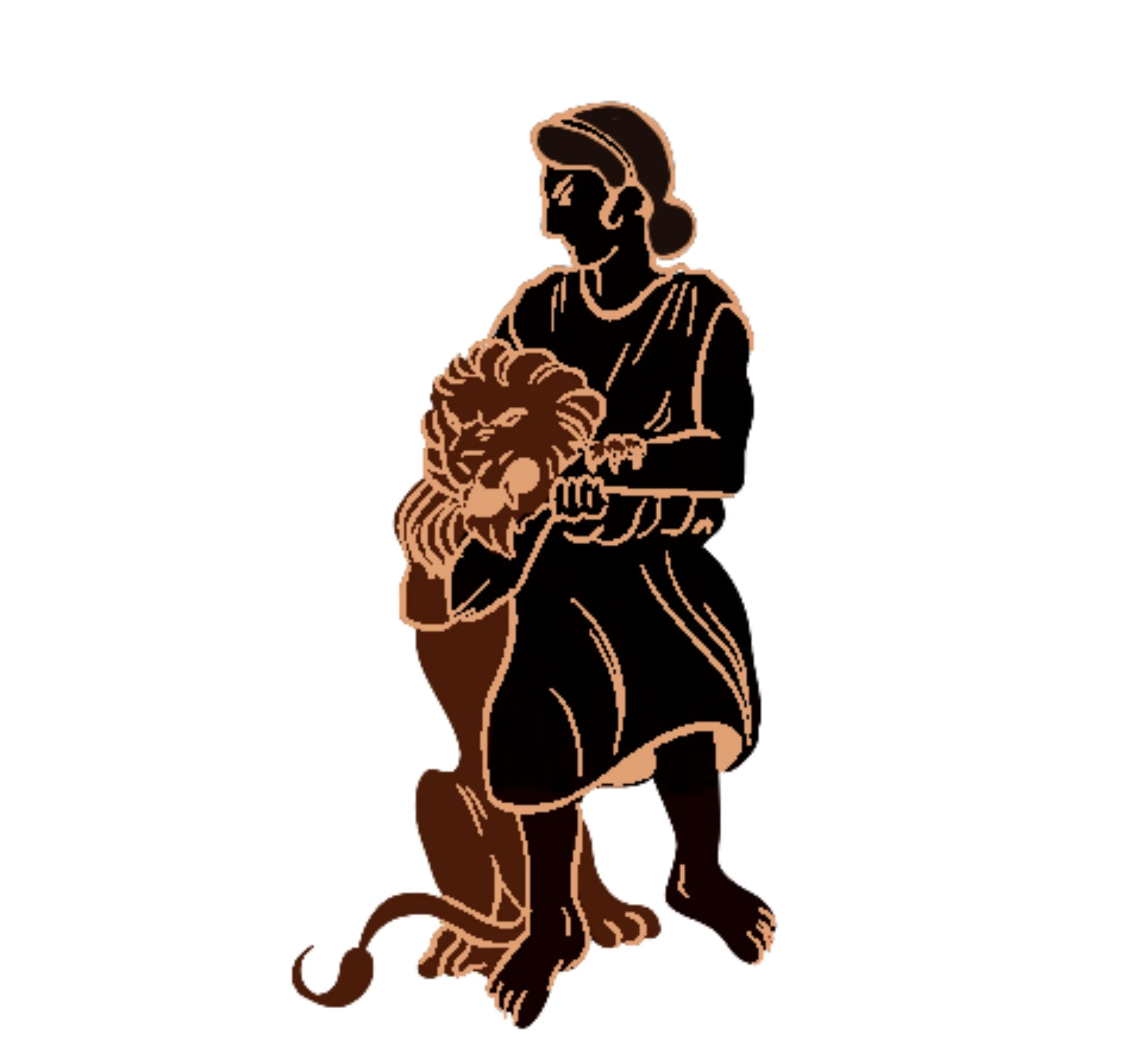
Cyrene was daughter of the Lapith king, so grew up in Thessaly in northern Greece. Apollo took her off to North Africa, where she gave her name to the Greek city of Cyrene (in modern Libya). There are two stories of her wrestling lions: in one, Apollo falls in love with her in Thessaly when he sees her fighting off a lion that is attacking her father’s livestock. In another, she kills a lion on the spot where the city of Cyrene will later be built.
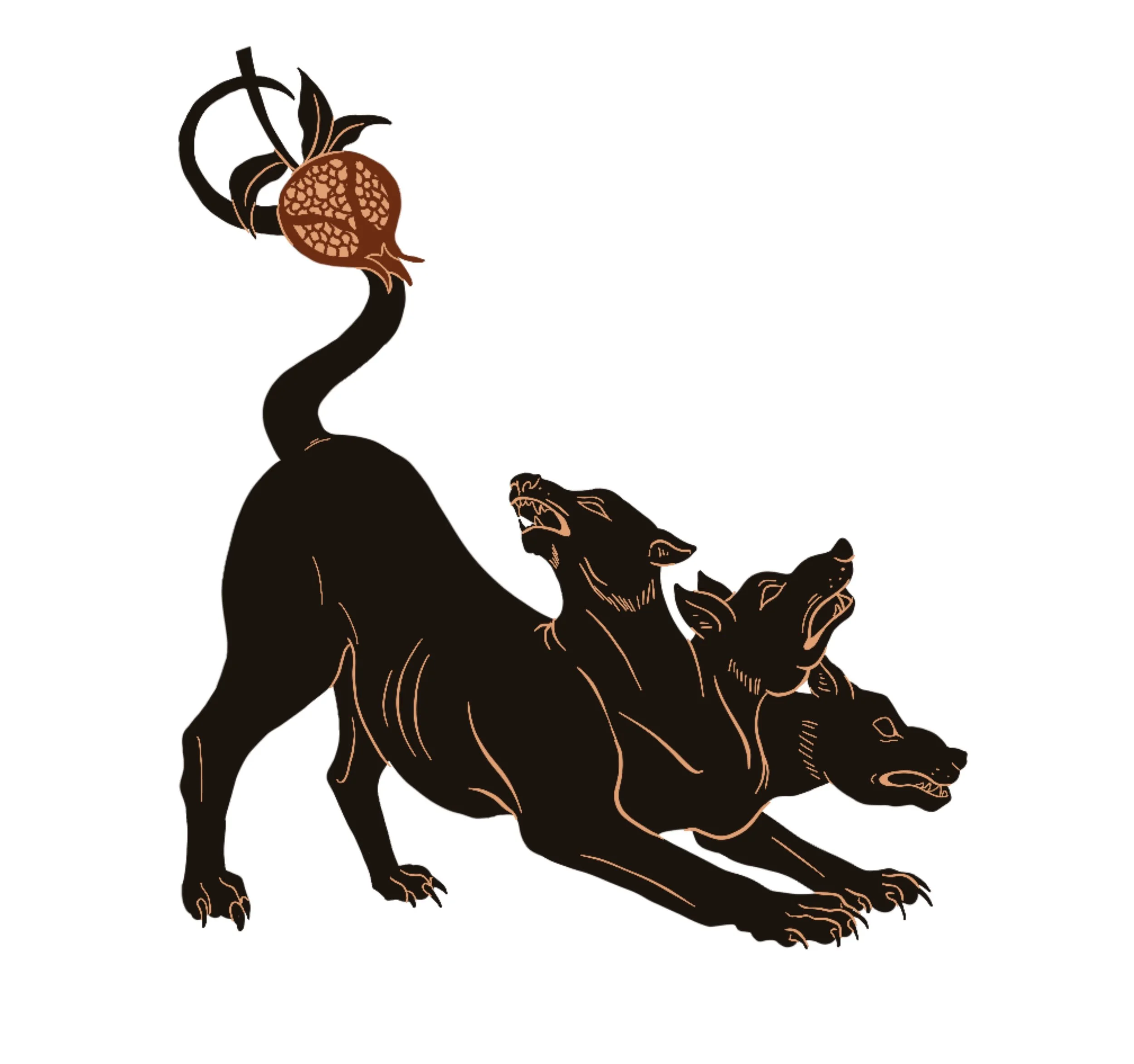
Cerberos was the guard dog of the Underworld. Some storytellers said he had fifty or even one hundred heads. Artists only ever tried to show him with two or three. Retrieving Cerberos alive from the Underworld was Heracles’ final labour. After showing him to Eurystheus, Heracles returned him to the Underworld.
There were lots of rival claims about where Heracles had brought up Cerberos. The people of Heracleia on the Black Sea said that a poisonous plant in their territory first grew from flecks of Cerberos’ saliva.
This map was created in collaboration with the Gale History Museum at Macquarie University. It was displayed at their Halloween event MONSTROUS! on 29th October 2026.